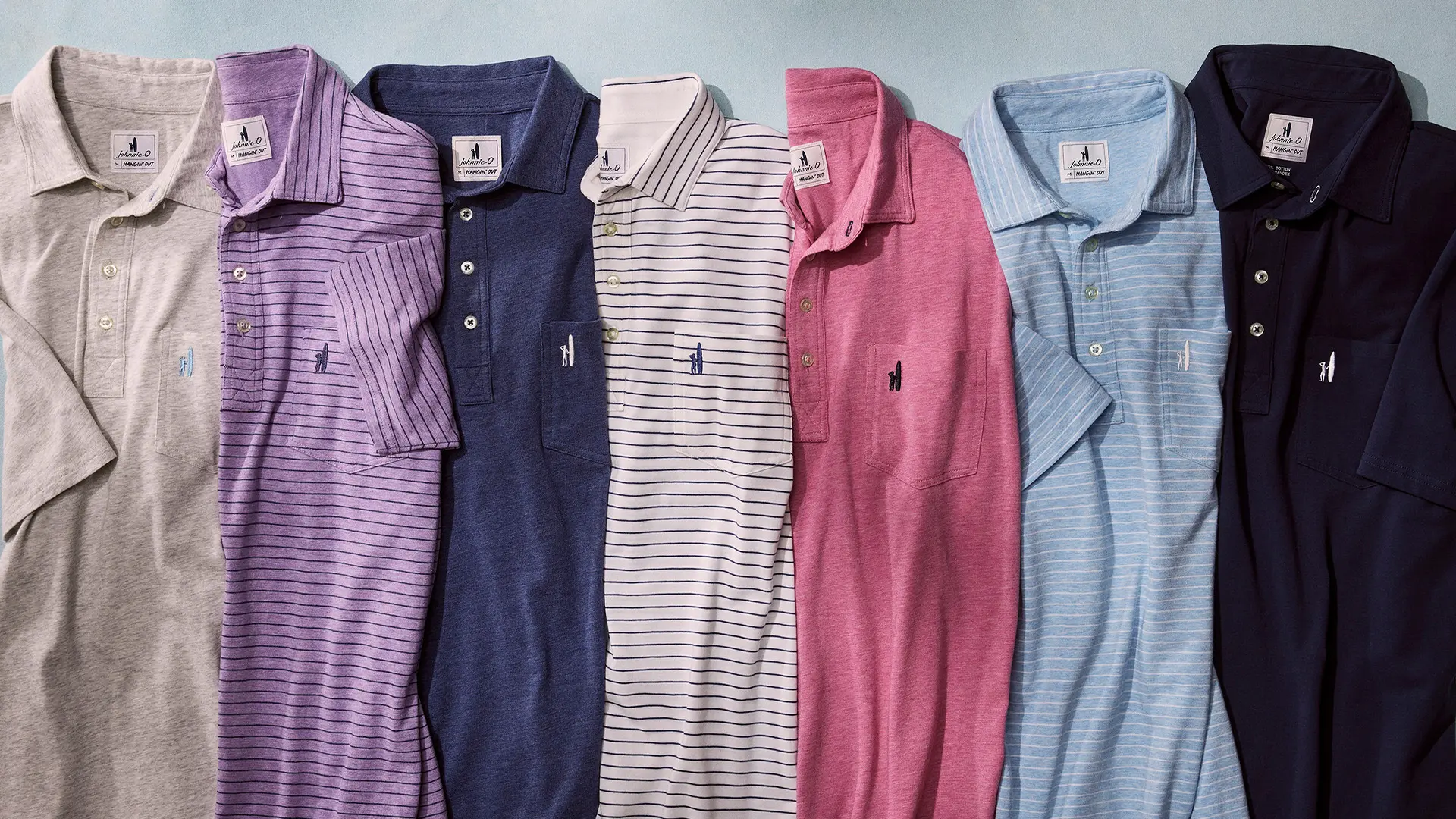
What Makes a Polo Shirt Breathable?
Breathability isn't a single feature—it's the combined result of fabric type, construction, weight, and stretch. Understanding how these elements work together helps you make smarter choices, whether you're heading to the course, a backyard cookout, or anywhere the heat is on.
You're two holes in, the sun is hammering down, and your shirt is already clinging. Sound familiar? The difference between suffering through a round and finishing fresh often comes down to one thing: how breathable your polo actually is.
What Does "Breathable" Actually Mean in a Polo Shirt?
In simple terms, breathability is a fabric's ability to allow both air and moisture vapor to pass through it. A truly breathable polo does two things well: it lets fresh air circulate against your skin, and it helps moisture escape before it builds up.
How Does Airflow Improve Comfort?
Fabrics with an open or loosely knit structure—like performance mesh—allow convective airflow between the fibers and your skin. Think of it as tiny vents built into the weave itself. More open construction means more air movement, which keeps body temperature in check even when the thermostat is cranked up.
How Does Moisture-Wicking Help You Stay Cool?
Moisture-wicking is often confused with simple absorbency, but they work very differently. Absorbent fabrics soak up sweat and hold onto it, making the shirt heavy and wet. Moisture-wicking fabrics—typically synthetic blends—pull sweat away from the skin and spread it across the outer surface where it can evaporate quickly. The result: you feel dry even when you're working up a sweat.
Which Fabrics Make a Polo Shirt More Breathable?
Is Polyester More Breathable Than Cotton?
It depends on what you mean by breathable. Cotton is naturally soft and comfortable, and it absorbs moisture well—but that absorption works against you in heat because the fabric gets heavy and stays wet. Polyester and performance blends don't absorb; they wick, keeping the fabric lighter and drying significantly faster.
What Role Does Performance Mesh Fabric Play in Breathability?
Mesh is the gold standard for pure airflow. Its open-knit structure creates physical gaps in the fabric that allow maximum ventilation—ideal for summer rounds or humid days when you need every bit of help staying cool. Johnnie-O's Performance Mesh Polos are built specifically for this kind of heat management.
How Do Performance Jersey Polos Balance Comfort and Airflow?
Jersey is a smooth, single-knit fabric that sits between mesh and heavier weaves. It's less ventilated than mesh but softer and more refined-looking—a great all-rounder for mild warm days, weekend wear, or when you want performance without the athletic look of an open mesh.
How Does Fabric Weight Affect Breathability?
What Is GSM and Why Does It Matter?
GSM stands for grams per square meter—the standard measure of fabric density. A higher GSM means a heavier, denser fabric; a lower GSM means lighter and airier. For hot-weather dressing, GSM is one of the most important numbers to know. Lighter fabrics simply put less material between you and the breeze.
Why Are Featherweight Polos Ideal for Extreme Heat?
At around 60 GSM—among the lightest performance fabrics available—Johnnie-O's Featherweight Polos are engineered specifically for maximum heat regulation. The ultra-thin construction allows air to pass through effortlessly, while UPF 50 sun protection keeps you covered without the weight. Whether you're in a desert climate or grinding through a humid late-summer round, featherweight is the move.
Does Stretch Improve a Polo Shirt's Breathability?
How Does Spandex Enhance Comfort and Movement?
A small percentage of spandex—typically 5–10 percent—added to a performance polo blend transforms how the shirt moves with your body. The stretch reduces fabric cling when you're sweating, which helps maintain airflow between the shirt and your skin rather than letting the fabric seal against you.
Do Stretch Fabrics Help with Ventilation?
Indirectly, yes. When a polo has four-way stretch, natural body movement—swinging a club, reaching overhead, bending—creates a bellows effect that pumps fresh air through the fabric. It's a small but real contribution to overall comfort, and it's why you'll find stretch built into Johnnie-O's performance polos, shorts, and outerwear across the range.
Are Natural Fabrics or Synthetic Fabrics More Breathable?
When Is Cotton the Better Choice?
Cotton excels in casual, lower-activity settings. It's naturally soft, gentle on skin, and has a comfort that synthetics haven't quite replicated. For a relaxed afternoon on the patio or a business-casual setting where you're mostly indoors, a cotton polo is a perfectly sensible call. Johnnie-O's Original 4-Button Cotton Polos are a testament to how good a well-made cotton polo can be.
Why Do Synthetic Polos Perform Better in Heat?
When activity levels rise—a full 18 holes, a humid outdoor event, or anything that gets your heart rate up—synthetic and synthetic-blend fabrics pull ahead. They wick faster, dry faster, and maintain their structure when wet. The practical upshot: you don't finish the day feeling like you've been wrung out. Explore Johnnie-O's full range of men's polos and Natural Performance Wovens to find the right fit for your activity level.
How Should You Choose the Most Breathable Polo for Your Climate?
Not all heat is the same. Matching your polo to your environment makes a genuine difference.
Humid conditions: When moisture in the air slows evaporation, wicking becomes even more critical. Reach for a mesh or featherweight polo—the open construction and fast-drying fabric compensate for the humidity working against you.
Mild warm weather: A performance jersey polo hits the sweet spot. You get solid moisture management and a clean, refined look without the full athletic construction of a mesh polo.
Golf in direct sun: This is featherweight territory. Extended sun exposure combined with physical activity demands the full package—ultra-low GSM for airflow, UPF 50 for protection, and moisture-wicking to keep you dry through all 18. Browse the Club Collection and Featherweight styles to find your match.
Frequently Asked Questions
What Is the Coolest Fabric for a Polo Shirt?
For pure coolness, low-GSM performance fabrics win every time. Johnnie-O's Featherweight polos combine ultra-low fabric density with an open construction that maximizes airflow—making them the top pick for extreme heat. Mesh polos are a close second, especially in humid conditions where open-knit ventilation makes a noticeable difference.
Do Performance Polos Make You Sweat Less?
No fabric reduces how much your body sweats—that's a physiological function. What performance polos do is manage moisture more effectively: wicking it away from your skin before it accumulates, spreading it across the fabric's surface, and accelerating evaporation. You feel drier and cooler, even though the underlying sweat production is the same.
What Is the Difference between Breathable and Moisture-Wicking Fabric?
Breathable refers to a fabric's ability to allow air to pass through—think open weave or lightweight construction that encourages ventilation. Moisture-wicking is specifically about how a fabric handles sweat: pulling it away from the skin and moving it toward the outer surface to evaporate. The best performance polos do both simultaneously. For a side-by-side look at how jersey, mesh, and featherweight polos compare, see our performance polo comparison guide.